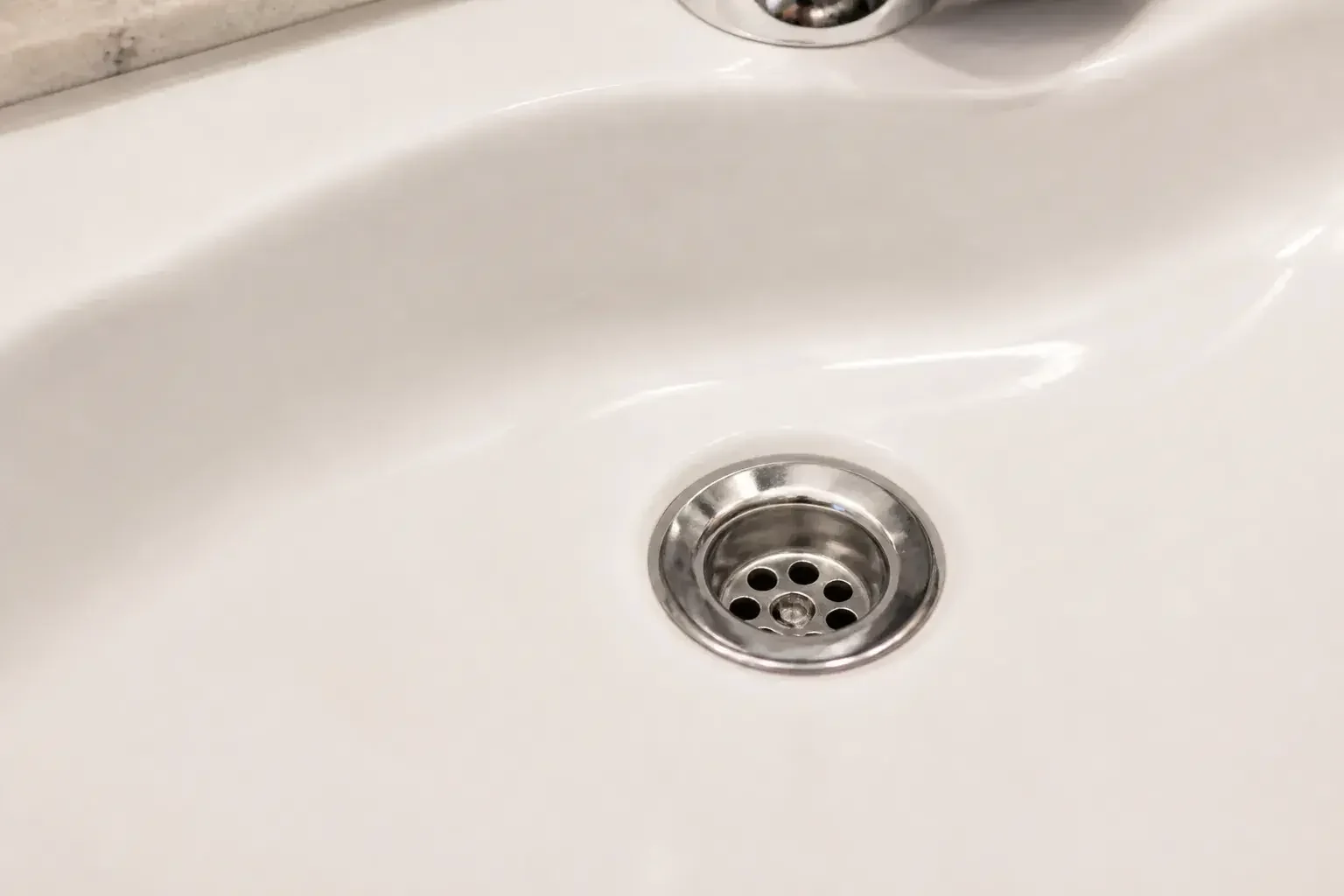
Drain Cleaning in Loveland, CO
Slow drains and stubborn clogs can back up sinks, tubs, and showers when buildup gets too heavy.
If water is pooling in the sink or the tub keeps draining more slowly each day, the problem is usually building inside the line. You might hear gurgling after the water goes down, smell something unpleasant from the drain, or notice that a plunger only gives temporary relief. Those signs often mean the clog is deeper than the opening you can reach.
Summit Ridge Plumbing helps homeowners get those drains moving again with practical drain cleaning service in Loveland. We look at the symptoms, clear the blockage, and help you understand what likely caused it so the issue does not keep coming back in the same spot.
Warning signs
Not every clog stops a drain completely. Many begin with small changes that are easy to ignore until the water backs up enough to become frustrating.
- Slow draining: Water taking longer than usual to clear is often the first sign that buildup is narrowing the pipe.
- Repeated clogs: If the same sink, tub, or shower keeps clogging, there is usually a deeper obstruction than soap and hair at the opening.
- Gurgling sounds: Strange noises after draining can point to trapped air moving through a partially blocked line.
- Unpleasant odors: Smells coming from one drain may mean debris is sitting inside the pipe and collecting more buildup.
- Standing water: Water that lingers in a tub or shower pan often means the drain is not carrying flow away the way it should.
When those symptoms show up together, the clog is usually getting worse, not better. A little more water pressure from the faucet will not clear a significant blockage for long.
Common causes
Drains clog for different reasons depending on the fixture and how the line is used. The right solution depends on what is stuck and where it is sitting.
- Hair and soap buildup: Bathroom drains often slow down because hair binds with soap residue and creates a sticky obstruction.
- Food waste: Kitchen sinks can clog when grease, crumbs, and food scraps collect on the pipe walls and harden over time.
- Foreign objects: Small items that slip into a drain can catch debris and create a larger blockage behind them.
- Mineral and residue buildup: Repeated use can leave behind layers of residue that narrow the pipe and reduce flow.
- Pipe issues: In some cases, a drain that keeps clogging may have a deeper line problem that needs more than a quick surface clear.
At Summit Ridge Plumbing, we do not treat every clog the same way. A shower drain packed with hair should not be handled like a kitchen sink stop-up, and a recurring blockage deserves a closer look than a quick plunge.
How we clear drains
Drain cleaning should do more than get water moving for the moment. The goal is to remove the obstruction and leave the line ready for everyday use again.
Simple blockages
For drains with buildup near the opening, we start by identifying where flow is restricted and clearing the material causing the slowdown. This is often the right approach for tubs, sinks, and showers that have started draining poorly but are not completely stopped.
Deeper clogs
When a clog sits farther in the line, we use methods suited to the location and type of blockage. That can mean working through the drain more directly so the clog is removed instead of just pushed around.
Repeat trouble
If the same drain keeps slowing down after a short time, there may be a larger accumulation deeper in the line. In those cases, we focus on finding the source of the recurring blockage rather than treating the symptom again and again.
Summit Ridge Plumbing takes a straightforward approach: clear the blockage, restore flow, and explain what you should watch for next.
What to avoid
It is tempting to reach for whatever is under the sink when a drain stops cooperating, but the wrong move can make the problem harder to solve.
- Overuse of plungers: A plunger can help with a shallow clog, but repeated force may not reach a deeper blockage.
- Harsh liquid products: Some store-bought cleaners can be rough on pipes and still leave part of the clog behind.
- Pushing debris farther in: Tinkering with a drain the wrong way can move the blockage deeper and make cleaning more difficult.
- Ignoring the early signs: A drain that only seems a little slow today can become fully blocked if the buildup keeps collecting.
If you have already tried a few common fixes and the drain still slows down, it is time to stop guessing. That is usually when a straightforward service call saves time and frustration.
What visits include
A drain cleaning visit should feel organized and practical from start to finish. You should know what is happening and what the result means for your plumbing.
- Listen to the symptoms: We start by hearing what the drain is doing, how long it has been happening, and whether any other fixtures are affected.
- Check the drain: Next, we look at the fixture and the visible signs of blockage to understand where the problem likely starts.
- Clear the clog: We remove the buildup that is slowing or stopping flow so the drain can move water normally again.
- Confirm the result: After the blockage is cleared, we make sure the drain is running properly before wrapping up.
- Share practical guidance: If the issue looks likely to return, we explain what to watch for and how to reduce the chance of another clog in the same place.
This approach keeps the work focused on the actual problem instead of offering a one-size-fits-all fix.
Drains we handle
Different fixtures clog for different reasons, and each one needs attention in the right spot.
- Kitchen sinks: Grease and food residue often slow these lines first because the pipe gets coated over time.
- Bathroom sinks: Toothpaste, soap, and hair can build up into a stubborn clog that gradually reduces flow.
- Tubs and showers: Hair and soap scum are common in these drains and often cause standing water near the drain opening.
- Laundry drains: These lines can collect lint and debris that create drainage problems during regular use.
If one fixture is the only one acting up, the clog may be isolated. If several fixtures are slow at once, the blockage may be farther into the system and deserves a closer look.
Serving nearby homes
Summit Ridge Plumbing provides drain cleaning for homeowners in Loveland, Fort Collins, Berthoud, and Johnstown. Whether the problem is a single slow sink or a shower that will not drain well at all, we bring the same direct, careful approach to the job.
For many homeowners, the biggest relief is not just getting water to move again. It is knowing the clog was handled properly and that the drain was not just temporarily forced open.
Common questions
Why does my drain clog again after I plunge it?
A plunger can open a small blockage near the fixture, but it may not remove buildup deeper in the pipe. If the drain clogs again quickly, the obstruction is likely still there.
Why does only one drain have problems?
That usually means the clog is local to that fixture or branch line. A single slow drain often points to hair, grease, or debris collecting in one specific area.
Can a slow drain turn into a full backup?
Yes. Slow drainage often means the pipe is already narrowed, so more buildup can stop flow completely if it is not addressed.
What does gurgling mean?
Gurgling usually means air is trying to move past a partial blockage. It is one of the clearest signs that the drain is not flowing normally.
Is foul odor from a drain always a clog?
Not always, but odor often shows that debris is sitting inside the drain and collecting residue. That buildup can become a clog if it is left alone.
Should I call before the drain stops completely?
Yes. A drain that is only moving slowly is often easier to address than one that has fully backed up. Acting early can prevent a bigger mess later.
Get the drain moving
If a sink, shower, or tub is slowing down, Summit Ridge Plumbing can help clear the blockage and restore normal flow. We handle drain cleaning with a practical, no-nonsense approach for homes in Loveland and the surrounding area.
How We Work
A Clear Plumbing Process From Start to Finish
Every project starts with a careful look at the issue and a clear explanation of what your plumbing needs.
Inspect the Issue
We check the affected fixture, pipe, drain, or water heater before recommending a solution.
Explain Your Options
You get a clear explanation of what we found and which repair or replacement makes sense.
Finish Cleanly
We complete the work carefully and leave your home tidy.
FAQ
Common Plumbing Questions
If you have a question about your plumbing, send us a message and we will help you sort through the options.
Why is my water heater not keeping up?
It could be a repair issue, sediment buildup, or a unit that is nearing the end of its useful life. An inspection can help point to the right fix.
What causes drains to keep clogging?
Hair, soap, grease, and other buildup can narrow the line over time. Drain cleaning clears the blockage and helps restore flow.
How do I know if I have a hidden leak?
Unexplained water bills, damp spots, and musty odors can be warning signs. A prompt check can help limit further damage.
When does repiping make sense?
Repiping is often worth discussing when leaks keep coming back or water flow has become unreliable. We can help you understand the condition of the system.
Can you install new fixtures in an existing bathroom or kitchen?
Yes, fixture installation is a common way to update a sink, faucet, shower, or toilet. We can help make sure the new fixture is set up properly.
Get started
Talk With a Local Plumbing Team
Tell us what is happening with your plumbing, and we will help you choose the right next step for repair, cleaning, repiping, or installation.