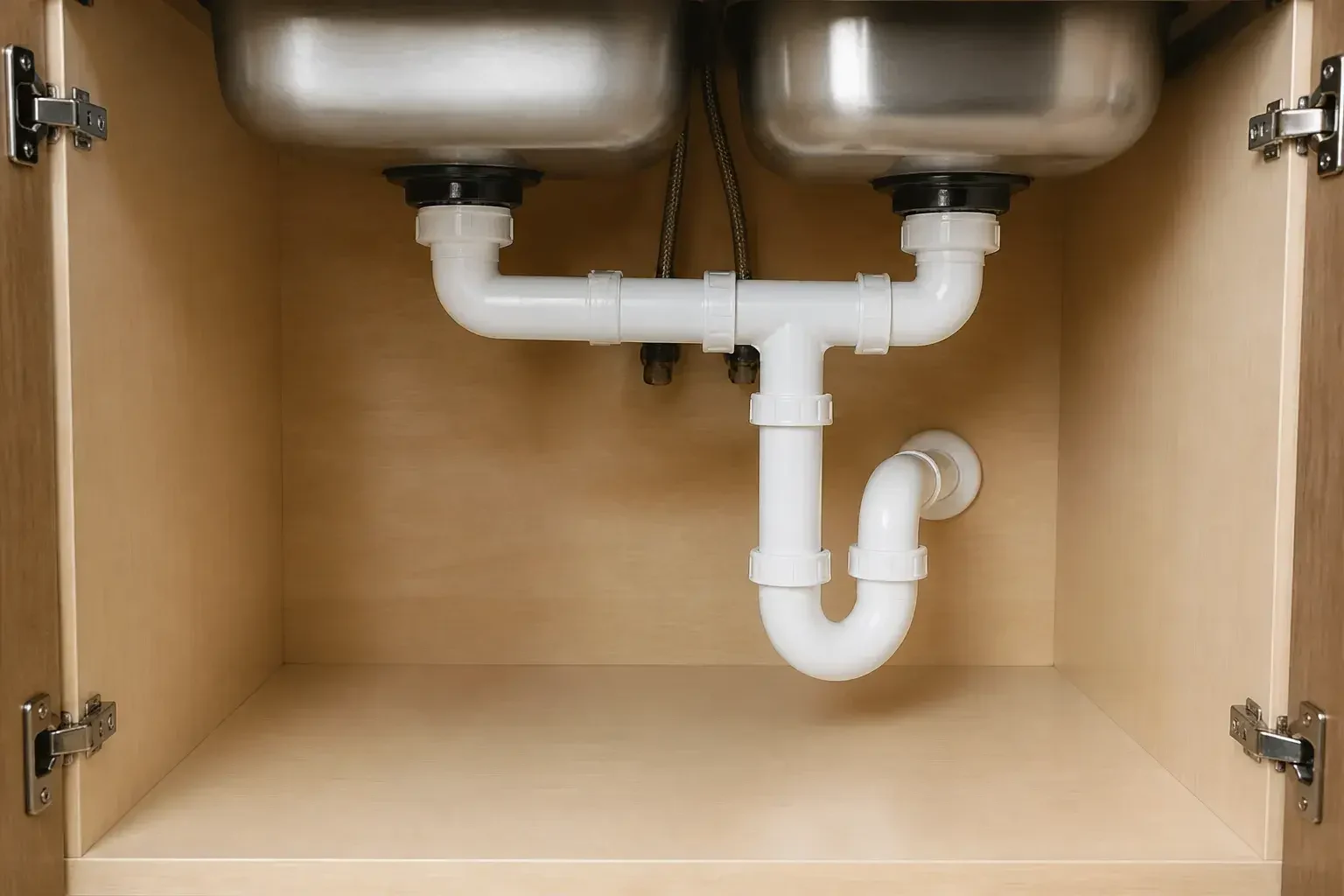
Leak Repair in Loveland, CO
Drips and hidden leaks can waste water, stain surfaces, and lead to bigger damage.
A leak often starts small, then turns into a bigger headache faster than most homeowners expect. You might see a stain on the ceiling, hear water running when no fixture is on, or find a cabinet floor that feels soft underfoot. Some leaks are obvious because they drip in plain sight. Others stay hidden behind walls, under sinks, or under slab surfaces until the damage becomes hard to ignore.
If you are dealing with damp spots, musty odors, peeling paint, or water that shows up after every use of a sink or shower, it is time to get it checked. Summit Ridge Plumbing helps homeowners in Loveland find the source of the problem and make the right repair before more materials get damaged.
Warning signs
Leaks do not always announce themselves with a steady drip. Many start with subtle changes that are easy to overlook at first.
- Visible moisture: Water around a pipe, shutoff valve, fixture base, or cabinet usually means something is failing nearby.
- Stains or bubbling surfaces: Yellowing paint, warped trim, or bubbling drywall often points to a leak that has been active for a while.
- Sound of running water: If you hear water moving when fixtures are off, there may be a hidden leak in the line.
- Musty smells: A damp odor in a room, cabinet, or hallway can signal moisture collecting where it should not be.
- Higher water use: A bill that climbs without a clear reason can be a clue that water is escaping somewhere in the home.
If these signs show up together, the leak may be more than a simple drip. The sooner it is addressed, the less likely it is to spread into flooring, drywall, or framing.
Common causes
Leaks can come from several places inside a home, and the repair depends on finding the exact source instead of only treating what is visible.
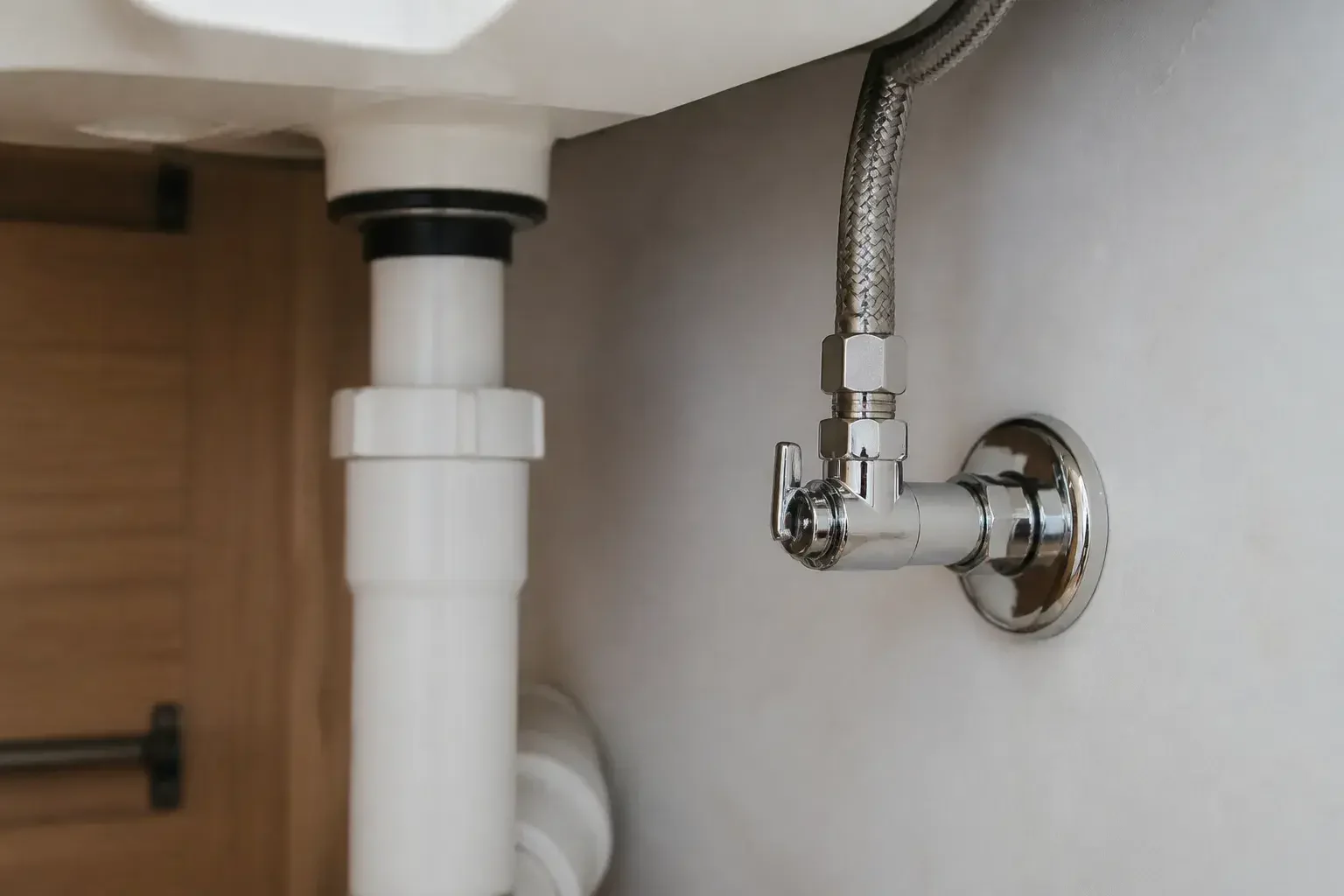
- Loose connections: Fittings under sinks, behind toilets, and at fixture supply lines can loosen over time and begin to seep.
- Worn parts: Washers, seals, and valve components can break down and allow water to escape during normal use.
- Corroded piping: Metal piping can weaken over time and develop pinhole leaks or small cracks.
- Fixture damage: A faucet, shower valve, or other fixture may leak from internal wear or a damaged connection point.
- Hidden line problems: A leak inside a wall, ceiling, or floor can start from a small opening that is not visible until water shows up elsewhere.
When we inspect a leak, we look at both the symptom and the surrounding plumbing so the fix addresses the actual source, not just the wet spot.
How we find it
A careful repair starts with the right diagnosis. Summit Ridge Plumbing looks for the path water is taking, how long it has been happening, and which parts of the plumbing are involved.
Step 1: Check the complaint
We start with what you have noticed, such as dripping, staining, pooling, or pressure changes. Those details help narrow down where the issue may be starting.
Step 2: Trace the moisture
Water often travels away from the original source before it becomes visible. We follow the wet area back toward the likely point of failure so the repair is targeted.
Step 3: Review the nearby plumbing
We inspect the related pipe, fixture, or connection to find what is actually leaking and what may also need attention.
Step 4: Explain the repair
Once the source is clear, we explain the problem in plain terms and go over the repair needed to stop it.
This approach helps avoid guesswork. It also reduces the chance of fixing the wrong part while the real leak keeps going.
Repair options
Leak repair can range from a simple component swap to replacing a damaged section of pipe. The right fix depends on the location and condition of the plumbing.
- Tightening or resealing: Some leaks come from loose joints or failed seals that can be corrected by restoring the connection.
- Replacing worn parts: If a valve, supply line, or fixture component has deteriorated, replacing the worn piece is often the cleanest solution.
- Repairing damaged pipe: A cracked or corroded section may need to be cut out and replaced so the leak does not return.
- Updating connected fixtures: If the leak is tied to a faucet, sink connection, or other fixture, the repair may involve the fixture installation side of the plumbing as well.
- Repiping sections when needed: When several areas are compromised or a section has repeated issues, repiping may be the more reliable long-term answer.
We do not push a bigger repair than necessary. The goal is to stop the water loss and leave the plumbing working the way it should.
Why fast action helps
Even a small leak can create more trouble than expected if it keeps running. Water can soak into materials that are not designed to stay wet, and the damage is often wider than the visible spot.
A fast repair can help you avoid:
- Further surface damage: Drywall, paint, trim, and cabinets can absorb moisture and deteriorate.
- Hidden structural issues: Water that reaches framing or subflooring can weaken materials over time.
- Unwanted odors: Damp areas can start to smell if the leak lingers.
- Repeated repairs: Fixing the same spot again and again usually means the original cause was not fully solved.
If you are in Loveland and a leak has already shown up once, it is smart to act before it becomes a larger cleanup and repair project.
What to do first
A few simple steps can help limit damage while you wait for service.
- Turn off the nearby water: If you can safely isolate the fixture or supply line, that can slow or stop active leaking.
- Clear the area: Move items away from the wet spot so they do not get damaged.
- Wipe up standing water: Removing pooled water can help prevent it from spreading into nearby materials.
- Note what you saw: Write down where the leak appeared, when you noticed it, and whether it changes with use.
These details help Summit Ridge Plumbing get to the source faster and make the visit more efficient.
Homes we help
Leak repair needs vary from one home to another. A leak under a sink calls for a different approach than a leak hidden in a wall or under a slab.
We commonly help with:
- Kitchen leaks: Drips under sinks, around faucets, or at supply connections can soak cabinets and flooring.
- Bathroom leaks: Toilets, tubs, showers, and vanity plumbing can all develop leaks that spread quietly.
- Utility area leaks: Washing machine connections and nearby piping can create water issues if parts loosen or wear out.
- Pipe leaks: Exposed piping and concealed runs can both fail and need a focused repair.
Summit Ridge Plumbing serves homeowners across Loveland, Fort Collins, Berthoud, and Johnstown, so you can call when a leak is affecting a home in the area.
Common questions
How do I know if a leak is hidden?
A hidden leak often shows up as a stain, soft spot, warped material, or a musty smell before you ever see water itself.
Can a small drip cause damage?
Yes, because even a small drip can soak into cabinets, drywall, or flooring over time and create a larger repair.
Should I keep using the fixture if it leaks?
If possible, avoid using the fixture until it has been checked, especially if the leak gets worse when water flows.
What if the leak is under a sink?
Under-sink leaks are often tied to loose fittings, worn supply lines, or drain connections, and those are all worth checking quickly.
Will the repair always be a simple fix?
Not always. Some leaks are solved with a small part replacement, while others need pipe repair or a more involved correction.
Can you help if I am not sure where the water is coming from?
Yes. We can look at the area, trace the moisture, and identify where the leak is starting so the right repair can be made.
Get it fixed
If you are seeing signs of a leak, do not wait for the damage to spread. Summit Ridge Plumbing can help stop the water loss, repair the problem, and give you a clear path forward. Whether the issue is under a sink, behind a wall, or tied to a damaged pipe, we are ready to help restore control over the problem.
How We Work
A Clear Plumbing Process From Start to Finish
Every project starts with a careful look at the issue and a clear explanation of what your plumbing needs.
Inspect the Issue
We check the affected fixture, pipe, drain, or water heater before recommending a solution.
Explain Your Options
You get a clear explanation of what we found and which repair or replacement makes sense.
Finish Cleanly
We complete the work carefully and leave your home tidy.
FAQ
Common Plumbing Questions
If you have a question about your plumbing, send us a message and we will help you sort through the options.
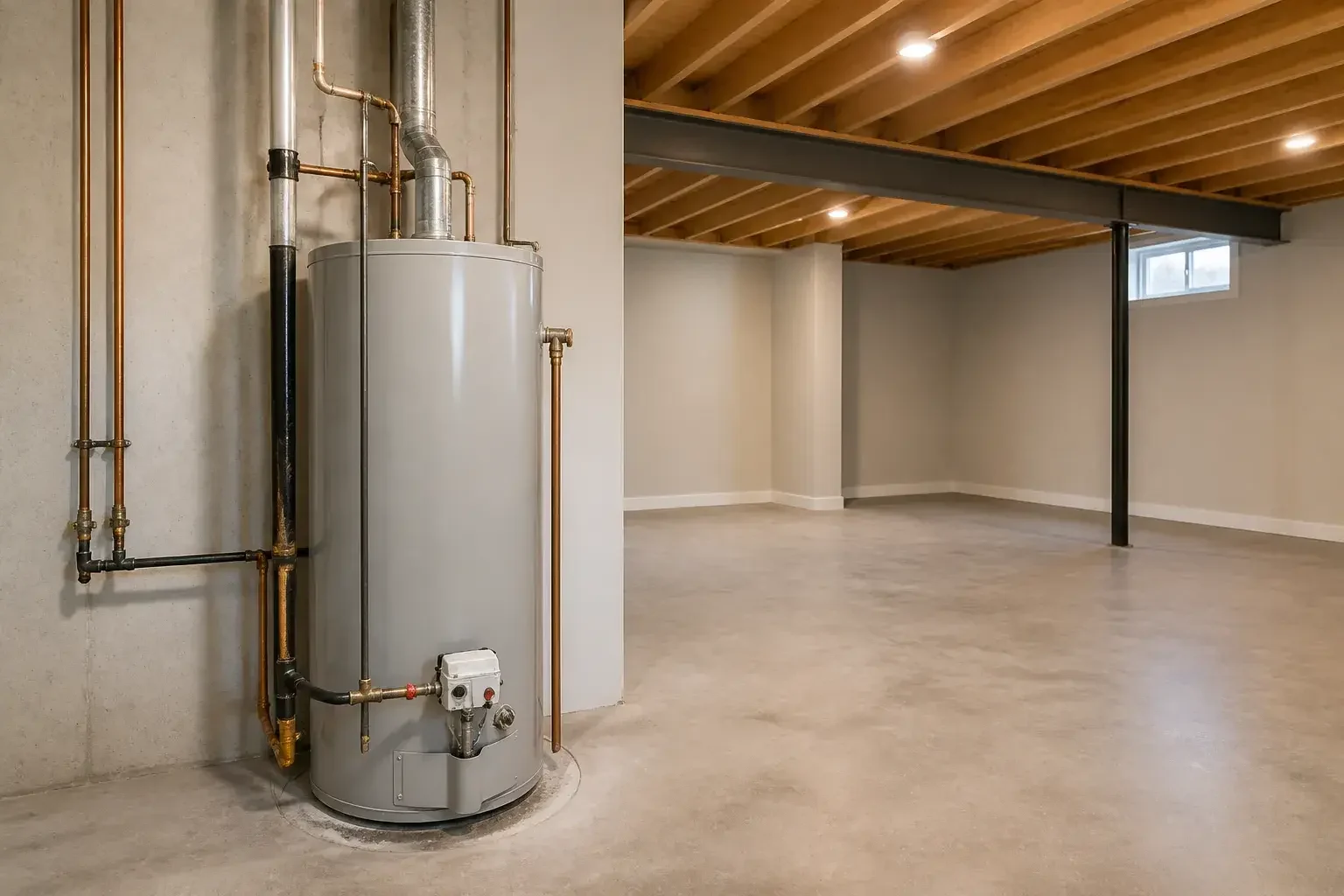
Why is my water heater not keeping up?
It could be a repair issue, sediment buildup, or a unit that is nearing the end of its useful life. An inspection can help point to the right fix.
What causes drains to keep clogging?
Hair, soap, grease, and other buildup can narrow the line over time. Drain cleaning clears the blockage and helps restore flow.
How do I know if I have a hidden leak?
Unexplained water bills, damp spots, and musty odors can be warning signs. A prompt check can help limit further damage.
When does repiping make sense?
Repiping is often worth discussing when leaks keep coming back or water flow has become unreliable. We can help you understand the condition of the system.
Can you install new fixtures in an existing bathroom or kitchen?
Yes, fixture installation is a common way to update a sink, faucet, shower, or toilet. We can help make sure the new fixture is set up properly.
Get started
Talk With a Local Plumbing Team
Tell us what is happening with your plumbing, and we will help you choose the right next step for repair, cleaning, repiping, or installation.