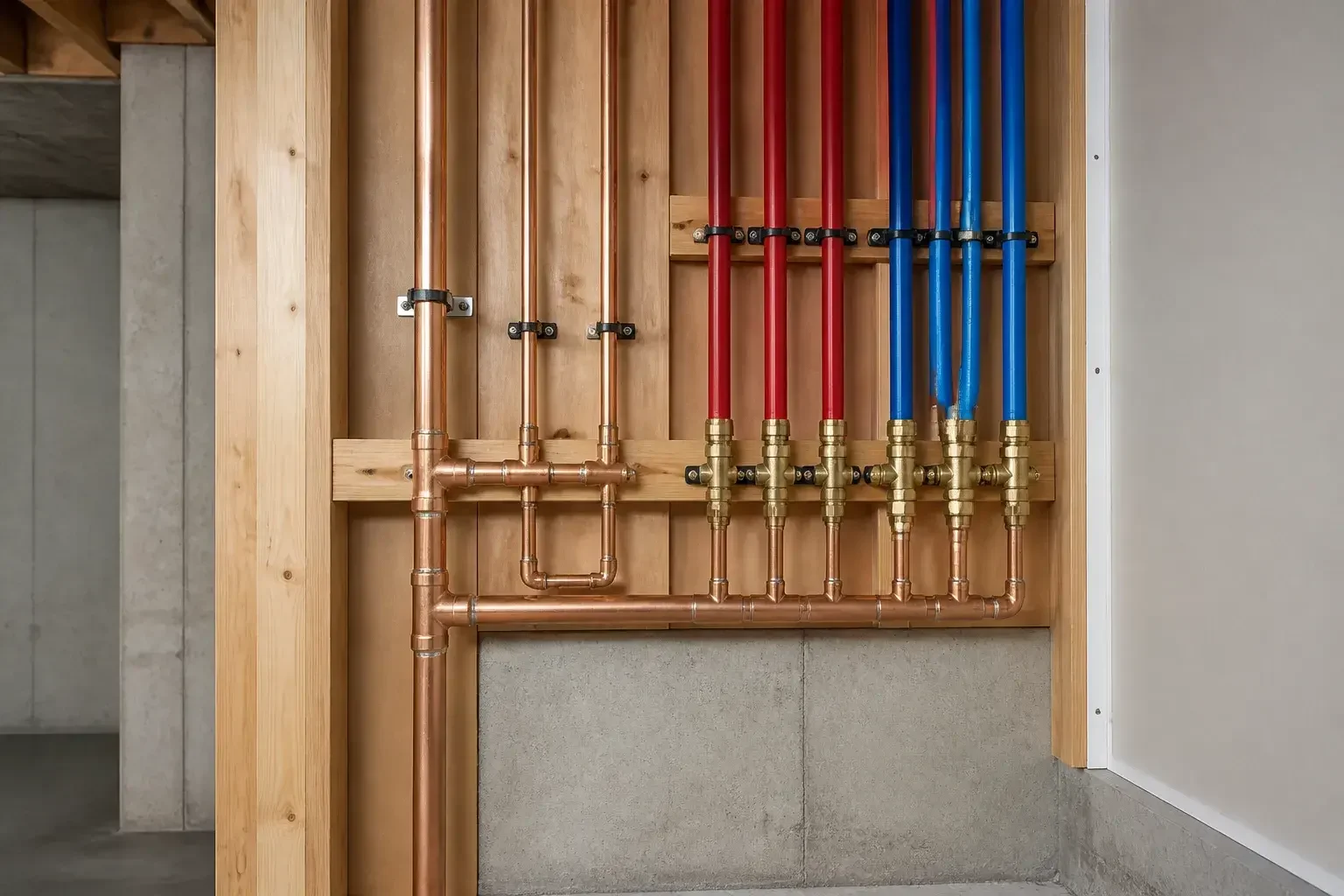
Repiping in Loveland, CO
Old or failing pipes can create repeated leaks, weak pressure, and unreliable water flow.
If your home keeps springing leaks, the water pressure keeps dropping, or rust-colored water shows up at the tap, the problem may be deeper than a single repair. Patching one section of pipe can buy time, but when the same lines keep failing, repiping may be the smarter next step.
Summit Ridge Plumbing helps homeowners replace worn-out plumbing with new piping that is sized and routed for dependable daily use. If you are dealing with recurring leaks, noisy pipes, or uneven water delivery, we can take a close look at what is happening and talk through the right path forward for your home.
Warning signs
Not every plumbing issue means the whole house needs new piping, but some patterns point in that direction. When several of these show up together, the plumbing system may be telling you that repairs are no longer enough.
- Frequent leaks: If one pipe after another begins leaking, the system may be breaking down in more than one place.
- Low water pressure: A noticeable drop in flow can come from buildup, narrowing pipes, or failing sections that no longer move water well.
- Discolored water: Brown, yellow, or rusty water can point to pipe deterioration that is affecting what comes out of the faucet.
- Pipe noise: Banging, rattling, or sudden changes in sound can indicate unstable or aging lines.
- Stained fixtures or tubs: Visible marks around sinks and tubs can be a sign that water quality or pipe condition has changed.
- Patchwork repairs: If you have already fixed several leaks in different spots, the remaining pipe may be close behind.
When these issues keep coming back, repiping can stop the cycle of repeated fixes and give you a more dependable plumbing setup.
When repiping makes sense
A full repipe is not always the first move, but it becomes worth serious consideration when the pipe material, age, or condition creates ongoing problems. The goal is to replace failing lines before the damage spreads to walls, floors, cabinets, or other parts of the home.
- Repairs keep repeating: A single leak can happen anywhere, but multiple leaks over time often mean the pipe itself is failing.
- Pressure problems spread through the house: If several fixtures perform poorly at once, the issue is likely beyond one faucet or valve.
- Water quality changes: If the water looks or tastes different from one day to the next, damaged lines may be affecting the supply.
- Visible corrosion appears: Rust, pitting, or deterioration on accessible piping can be a warning that hidden lines are in similar shape.
- You plan to stay in the home: Replacing aging piping can be a practical investment when you want to avoid ongoing repair calls and disruption later.
At Summit Ridge Plumbing, we help homeowners in Loveland sort out whether repiping is the right answer or whether a more focused repair makes sense first.
Common pipe problems
Repiping is often needed because pipe issues do not stay isolated. One weak section can lead to leaks in another area, and aging lines can start causing symptoms throughout the home.
Corrosion and buildup
Older pipes can develop corrosion or internal buildup that narrows the opening and changes how water moves. That can lead to poor pressure, uneven flow, and a greater chance of leaks.
Repeated spot repairs
If each repair seems to reveal a new problem nearby, the pipe material may be reaching the point where replacements are more practical than continued patching. New sections can solve one leak, but they do not change the condition of the rest of the line.
Hidden damage
Not all pipe trouble is visible. Some problems stay inside walls, under floors, or in other concealed areas until they create a stain, a drip, or a sudden loss of water flow. Repiping can address those hidden weak points before they cause larger damage.
Poor fixture performance
When sinks, showers, and tubs do not work as they should, the issue may not be the fixtures themselves. Weak supply lines can make even newer fixtures feel underpowered.
Our repiping process
Repiping should feel organized, not overwhelming. We keep the work focused on replacing the lines that are causing trouble and setting up the home for more reliable use.
1. Assess the plumbing
We start by learning where the problems are showing up and what has already been repaired. That helps us understand whether the issue is limited to one area or spread throughout the house.
2. Map the new lines
Next, we plan how the replacement piping should run through the home. The layout matters because it affects water flow, access, and how smoothly the job can be completed.
3. Replace failing piping
We remove or bypass the worn sections and install new piping in their place. The work is done with attention to the structure of the home and the fixtures connected to the system.
4. Check the result
After the new piping is in place, we make sure the system is flowing properly and that the new lines are functioning as intended.
When we repipe a home in Loveland, the goal is not just to replace old material. It is to leave you with a plumbing system that is more dependable for everyday use.
What to expect
A repiping project can sound disruptive at first, but a good plan keeps the process manageable. Knowing what will happen helps you prepare and makes the work easier on your household.
- Clear communication: We explain what is being replaced, where the work will happen, and what you should expect while the project is underway.
- Access points: Some parts of the home may need to be opened to reach hidden pipe runs, depending on where the problem lines are located.
- Water interruptions: During the replacement process, certain fixtures may need to be out of use for portions of the job.
- Final testing: Once the new piping is installed, the system is checked to make sure water moves where it should.
If you have questions about how the work may affect specific rooms or fixtures, we can walk through those details before anything starts.
Why homeowners act early
Waiting too long on failing pipes can turn a manageable project into a bigger repair. Leaks can damage drywall, flooring, cabinets, and other finishes, and repeated repairs can add frustration without solving the underlying problem.
In many homes, repiping becomes the practical choice because it addresses the source of repeated trouble instead of chasing symptoms from one place to another. That can mean fewer surprise leaks, steadier water flow, and less uncertainty about what the next month will bring.
Summit Ridge Plumbing works with homeowners who want a straightforward answer about the condition of their piping. If your plumbing has become a repeating problem, we can help you understand whether full replacement is the right path.
Local help
Homeowners in Loveland, Fort Collins, Berthoud, and Johnstown call us when pipes start causing repeated issues that patchwork repairs cannot fully solve. Summit Ridge Plumbing provides repiping with the same practical focus we bring to leak repair, drain cleaning, water heater repair, and fixture installation.
If you are noticing ongoing leaks, weak pressure, or water that no longer seems right, it may be time to look at the whole piping system instead of another temporary fix. We are ready to help you make a clear decision about what comes next.
Common questions
How do I know if my home needs repiping?
If you keep dealing with leaks, low pressure, or changing water quality, the pipe system may be failing in more than one spot. A pattern of repeat issues is usually more telling than a single isolated problem.
Can repiping solve low water pressure?
It can when the pressure problem comes from worn, narrowed, or corroded piping. If the issue is somewhere else in the plumbing, we can help identify that before any replacement work begins.
Do all leaks mean the whole house needs new pipes?
No, not always. A single leak can be repaired on its own, but multiple leaks over time often point to a larger problem with the piping itself.
Will repiping affect every fixture in the home?
The work is tied to the plumbing lines that feed your fixtures, so the impact can vary based on the layout of the system. We can explain what areas are involved before the project starts.
How long does a repiping project usually take?
The timeline depends on the size of the home, the condition of the existing piping, and how the lines are routed. We will discuss the scope of the work with you so you know what to expect.
What should I do before repiping starts?
Clear access to the areas around sinks, cabinets, and other spaces where the plumbing work may need to happen. That helps the project move more smoothly and reduces delays once the work begins.
How We Work
A Clear Plumbing Process From Start to Finish
Every project starts with a careful look at the issue and a clear explanation of what your plumbing needs.
Inspect the Issue
We check the affected fixture, pipe, drain, or water heater before recommending a solution.
Explain Your Options
You get a clear explanation of what we found and which repair or replacement makes sense.
Finish Cleanly
We complete the work carefully and leave your home tidy.
FAQ
Common Plumbing Questions
If you have a question about your plumbing, send us a message and we will help you sort through the options.
Why is my water heater not keeping up?
It could be a repair issue, sediment buildup, or a unit that is nearing the end of its useful life. An inspection can help point to the right fix.
What causes drains to keep clogging?
Hair, soap, grease, and other buildup can narrow the line over time. Drain cleaning clears the blockage and helps restore flow.
How do I know if I have a hidden leak?
Unexplained water bills, damp spots, and musty odors can be warning signs. A prompt check can help limit further damage.
When does repiping make sense?
Repiping is often worth discussing when leaks keep coming back or water flow has become unreliable. We can help you understand the condition of the system.
Can you install new fixtures in an existing bathroom or kitchen?
Yes, fixture installation is a common way to update a sink, faucet, shower, or toilet. We can help make sure the new fixture is set up properly.
Get started
Talk With a Local Plumbing Team
Tell us what is happening with your plumbing, and we will help you choose the right next step for repair, cleaning, repiping, or installation.