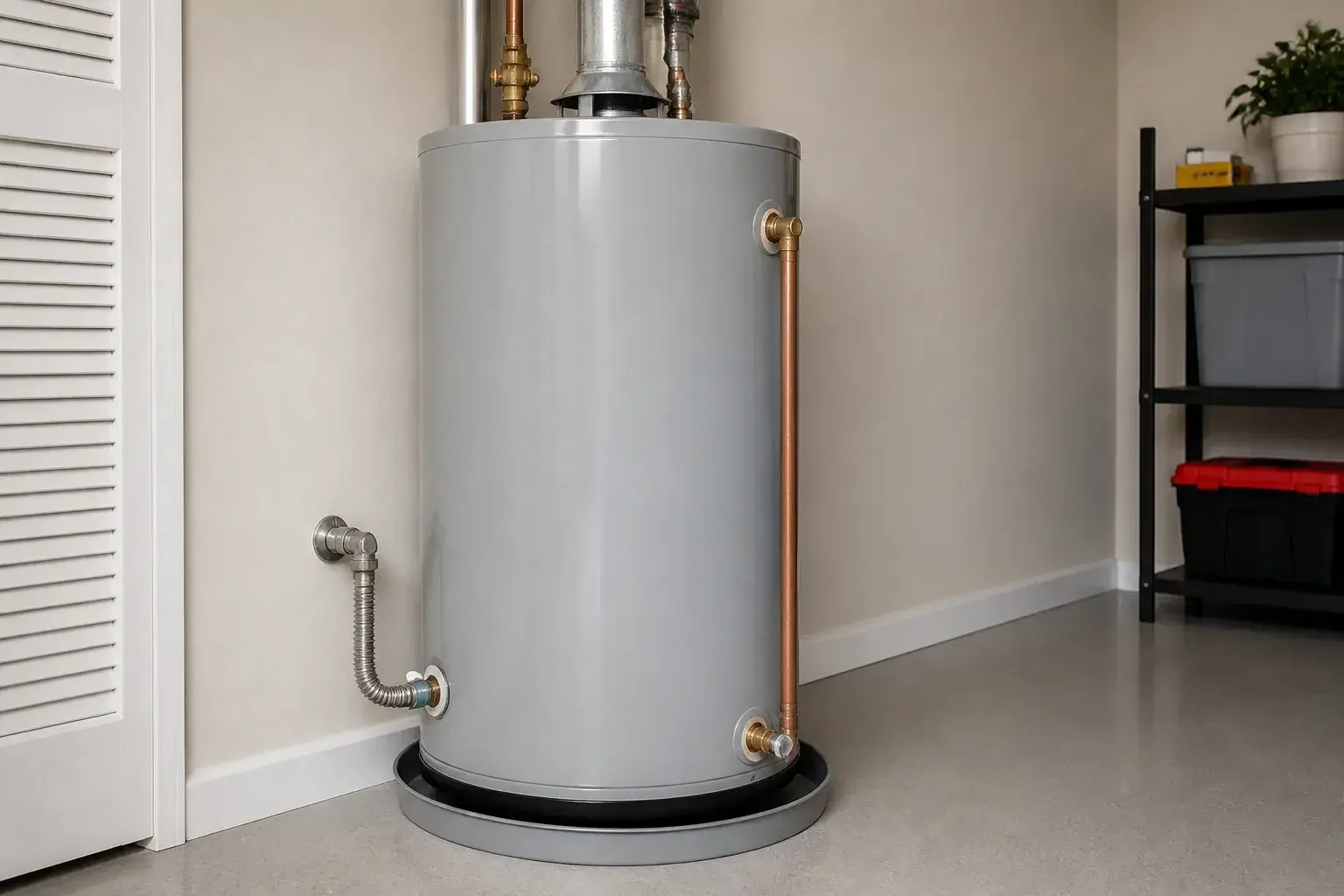
Water Heater Repair in Loveland, CO
No hot water or inconsistent temperatures can disrupt your day and point to a failing unit.
When the water from your tap turns lukewarm too fast, or never gets hot enough in the first place, it disrupts the whole day. You may notice a tank that hisses, pops, or leaks at the base, a shower that runs out of hot water halfway through, or water that smells or looks off when you turn on the hot side.
Those symptoms usually point to a water heater problem that needs attention before it gets worse. Summit Ridge Plumbing helps homeowners in Loveland with water heater repair, and we start by figuring out what is failing, what can be fixed, and what needs to be replaced so you are not left guessing.
Warning signs
Not every water heater issue looks dramatic at first. Some start with a small change in performance that becomes easier to ignore than explain. If you notice one or more of the signs below, it is time to have the unit checked.
- Inconsistent temperature: The water may start hot, then fade quickly, or swing between too hot and too cool.
- Slow recovery: The tank may take a long time to heat another round of water after showers or laundry.
- Strange noises: Popping, rumbling, or knocking can point to sediment inside the tank or another internal issue.
- Visible leaking: Water around the heater, moisture on fittings, or dripping from the unit should not be brushed off.
- Discolored hot water: Rusty or cloudy hot water can signal trouble inside the tank or connected parts.
- Pilot or burner trouble: If the heater is not staying on or is struggling to heat consistently, something in the ignition or heating process may be off.
If you are unsure whether the issue is the heater or something else in the plumbing, we can help sort that out. A careful diagnosis matters because the wrong fix can waste time and leave the real problem untouched.
Common causes
Water heaters work hard every day, so problems can come from a few different places. Knowing the likely cause helps homeowners understand why a heater suddenly changes behavior.
- Sediment buildup
Minerals and debris can collect in the tank and interfere with heating, which often leads to noise and reduced efficiency. - Faulty heating components
Electric units may have elements or thermostats that stop working correctly, while gas units may have burner or ignition issues. - Leaking connections
Loose fittings or worn connections can cause dripping that looks small at first but can create bigger trouble over time. - Pressure issues
If pressure relief parts or related components are not working as they should, the heater may not operate normally. - Age-related wear
Internal parts eventually wear out, and a heater that has worked for years may start showing repeated problems.
A repair is not always about one broken piece. Sometimes multiple small issues add up to a heater that cannot keep up with normal demand.
How we diagnose
A good repair starts with a clear look at the problem, not a guess. Summit Ridge Plumbing checks the heater, the symptoms you have noticed, and the visible condition of the unit so we can narrow things down quickly.
What we check
- Hot water performance: We look at how the system is heating and whether the issue is constant or intermittent.
- Tank condition: We inspect for leaks, corrosion, and signs that the tank itself may be failing.
- Connections and fittings: We check where water, gas, or power meets the unit to see if the issue starts there.
- Noise and buildup clues: Unusual sounds often point to sediment or internal strain that deserves attention.
- Temperature control: We evaluate whether the heater is responding correctly to the settings and demand in the home.
This process helps us explain the problem in plain language. If the fix is straightforward, we handle it. If the heater is showing signs that make repair a poor choice, we will tell you that too.
Repair options
Water heater repair can involve a few different kinds of work, depending on what is wrong. The right repair depends on the source of the failure and the condition of the unit overall.
- Component replacement: A failed part may be swapped out so the heater can return to normal operation.
- Connection repair: Loose or damaged connections can be corrected to stop leaks and restore proper function.
- Sediment-related service: When buildup is affecting performance, addressing the tank’s interior condition can improve heating and reduce noise.
- Control adjustments: If the heater is not reading or responding properly, thermostat or control issues may need attention.
Not every symptom points to the same fix, which is why the diagnosis matters. A tank that makes noise and a tank that leaks may need completely different repair approaches, even if both seem like “water heater problems” from the outside.
If the heater is still in solid shape, repair can be the practical way to get more useful life from the unit. If repeated issues keep returning, it may be time to talk through replacement instead of continuing to patch the same failure.
What to expect
Homeowners often want to know what happens once they make the call. We keep the process straightforward so you know what comes next and what the repair is trying to solve.
- Describe the symptoms
Tell us what you are seeing, hearing, or smelling, and when the problem started. - Inspect the heater
We examine the unit and nearby connections to find the source of the issue. - Explain the fix
We walk through the repair options and what each one would accomplish. - Complete the repair
Once the problem is identified, we handle the needed work and check that the heater is operating properly. - Confirm hot water return
We make sure the system is heating as it should and that the original issue has been addressed.
That simple process helps keep the repair focused. It also gives you a clear picture of whether the heater is ready to keep going or whether a deeper problem is developing.
When repair makes sense
Not every water heater problem means the unit has failed completely. Repair often makes sense when the issue is limited and the heater still has a solid overall structure.
Good repair candidates
- Single failing part: One broken component can often be replaced without rebuilding the whole system.
- Minor leak: A leak from a connection or fitting may be repairable if the tank itself is sound.
- Noisy but heating: If the heater still works but is making unusual sounds, the problem may be manageable.
- Uneven hot water: Temperature problems can sometimes be traced to controls or other fixable parts.
If the tank itself is corroded, leaking from the body, or having repeated failures, repair may only buy a little time. In that case, it is better to know the truth now than keep pouring effort into a unit that is nearing the end of the road.
Homeowner tips
A few simple habits can help you notice trouble sooner and make the repair conversation easier.
- Watch the water: Pay attention when hot water feels different, even if the change seems small.
- Listen for new noises: A heater that suddenly starts popping or rumbling is trying to tell you something.
- Check the area around the unit: Moisture, rust stains, or drips near the heater should be taken seriously.
- Note when problems happen: If the issue only shows up at certain times, that detail can help narrow the cause.
It also helps to avoid repeated guessing. If the hot water issue keeps changing or returning, a proper repair diagnosis is usually more efficient than trying one quick fix after another.
Common questions
Why is my water heater making popping noises?
Popping often happens when sediment collects in the tank and traps water beneath it. The heater may still produce hot water, but the sound usually means the unit is working harder than it should.
Why does the hot water run out so fast?
A heater that runs out quickly may have a failing component, sediment buildup, or a tank that is no longer keeping up with demand. The cause needs to be checked before deciding on the fix.
What does rusty hot water mean?
Rusty hot water can point to corrosion inside the heater or related plumbing parts. It is a sign that the system should be looked at sooner rather than later.
Can a leaking water heater always be repaired?
No. Some leaks come from fittings or connections and can be fixed, while a leak from the tank body itself is a much bigger concern. The source of the leak determines the next step.
Why is the water not hot enough?
The heater may not be heating properly because of a control issue, a failing part, or buildup inside the unit. A full look at the system is the best way to find the reason.
How do I know if repair is worth it?
Repair usually makes sense when the problem is limited and the tank still has good overall condition. If the same issue keeps returning or the tank itself is failing, replacement may be the more practical option.
Get help locally
If your water heater is showing signs of trouble, Summit Ridge Plumbing can help you understand what is happening and what to do next. We work with homeowners in Loveland and nearby areas including Fort Collins, Berthoud, and Johnstown.
Water heater problems do not always begin with a total breakdown. Sometimes they start with noise, slower recovery, or water that is not as hot as it should be. Getting those symptoms checked early can save you from a bigger mess later and help you get back to dependable hot water at home.
How We Work
A Clear Plumbing Process From Start to Finish
Every project starts with a careful look at the issue and a clear explanation of what your plumbing needs.
Inspect the Issue
We check the affected fixture, pipe, drain, or water heater before recommending a solution.
Explain Your Options
You get a clear explanation of what we found and which repair or replacement makes sense.
Finish Cleanly
We complete the work carefully and leave your home tidy.
FAQ
Common Plumbing Questions
If you have a question about your plumbing, send us a message and we will help you sort through the options.
Why is my water heater not keeping up?
It could be a repair issue, sediment buildup, or a unit that is nearing the end of its useful life. An inspection can help point to the right fix.
What causes drains to keep clogging?
Hair, soap, grease, and other buildup can narrow the line over time. Drain cleaning clears the blockage and helps restore flow.
How do I know if I have a hidden leak?
Unexplained water bills, damp spots, and musty odors can be warning signs. A prompt check can help limit further damage.
When does repiping make sense?
Repiping is often worth discussing when leaks keep coming back or water flow has become unreliable. We can help you understand the condition of the system.
Can you install new fixtures in an existing bathroom or kitchen?
Yes, fixture installation is a common way to update a sink, faucet, shower, or toilet. We can help make sure the new fixture is set up properly.
Get started
Talk With a Local Plumbing Team
Tell us what is happening with your plumbing, and we will help you choose the right next step for repair, cleaning, repiping, or installation.